





Skip to content

For US Healthcare Professionals Only

Works FastTo deliver results

VEVYE® shows clinically meaningful and statistically significant improvement in total corneal fluorescein staining (tCFS) by Day 15 in clinical studies.5-6

Works FastTo deliver results

VEVYE® shows clinically meaningful and statistically significant improvement in total corneal fluorescein staining (tCFS) by Day 15 in clinical studies.5-6

Primary Endpoint Data

ESSENCE-1 and -2 Studies Measuring Change from Baseline in tCFS5-6

NEI* Scale (0-15)
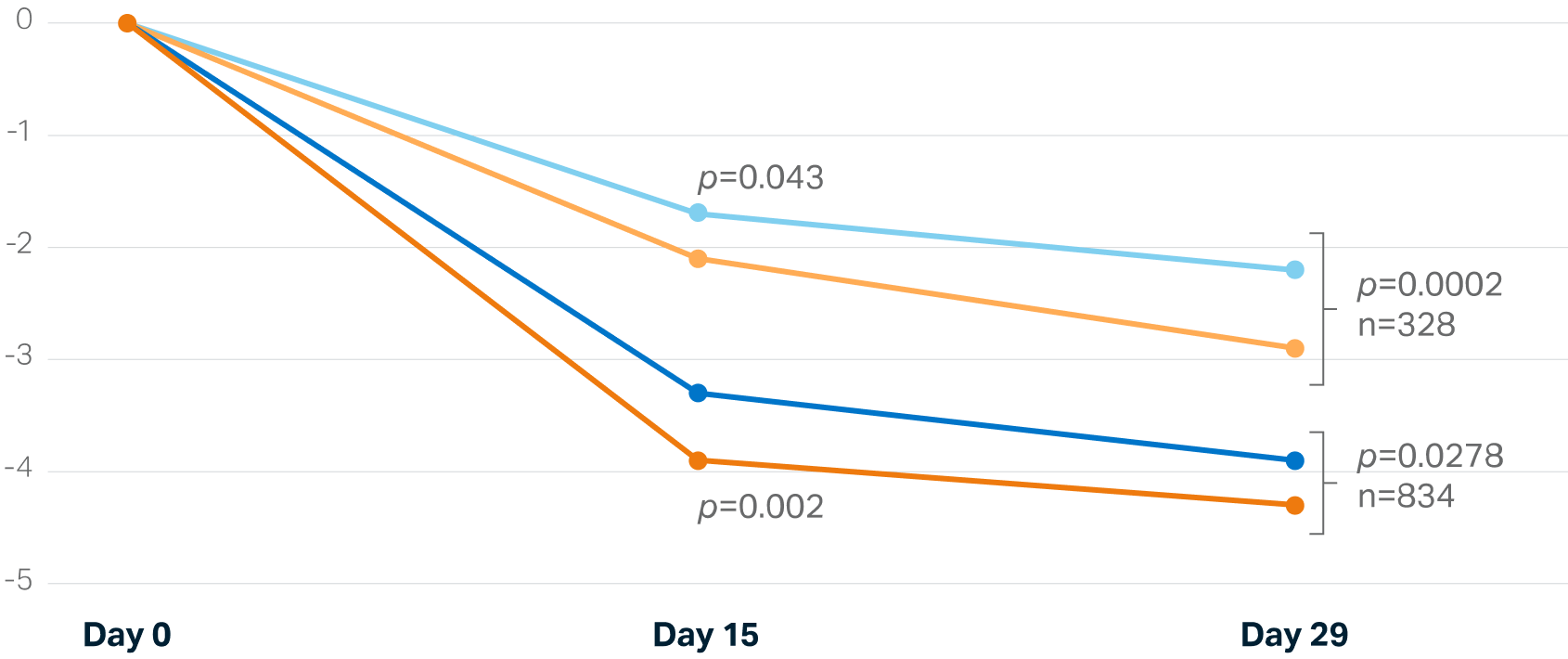
Change from baseline in total corneal fluorescein staining, ESSENCE-1 and -2

In pooled clinical studies

56.8%

of patients achieved 3 or more grades of improvement in tCFS 
at Day 15.

ESSENCE-1:

VEVYE

Perfluorobutylpentane

ESSENCE-2:

VEVYE

Perfluorobutylpentane

In pooled clinical studies

56.8%

of patients achieved 3 or more grades of improvement in tCFS 
at Day 15.

ESSENCE-1 and -2 Studies Measuring Change from Baseline in tCFS5-6

NEI* Scale (0-15)
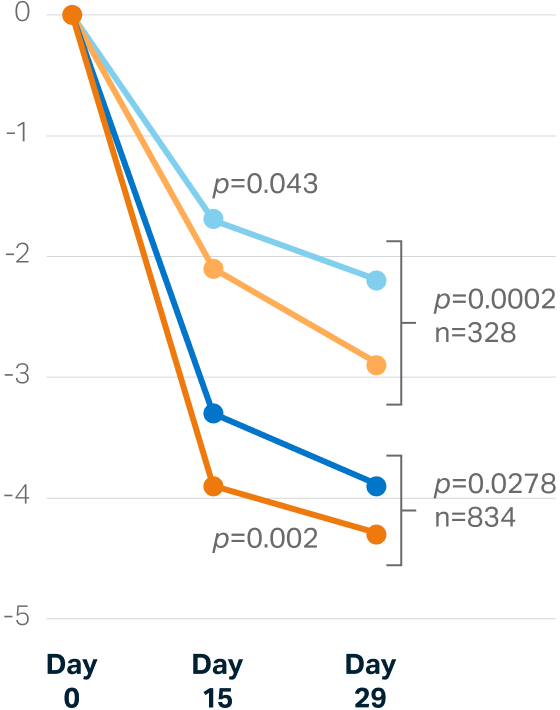
Change from baseline in total corneal fluorescein staining, ESSENCE-1 and -2Change from baseline in total corneal fluorescein staining, ESSENCE-1 and -2

Swipe to view More

ESSENCE-1:

VEVYE

Perfluorobutylpentane

ESSENCE-2:

VEVYE

Perfluorobutylpentane

*National Eye Institute

Study Design

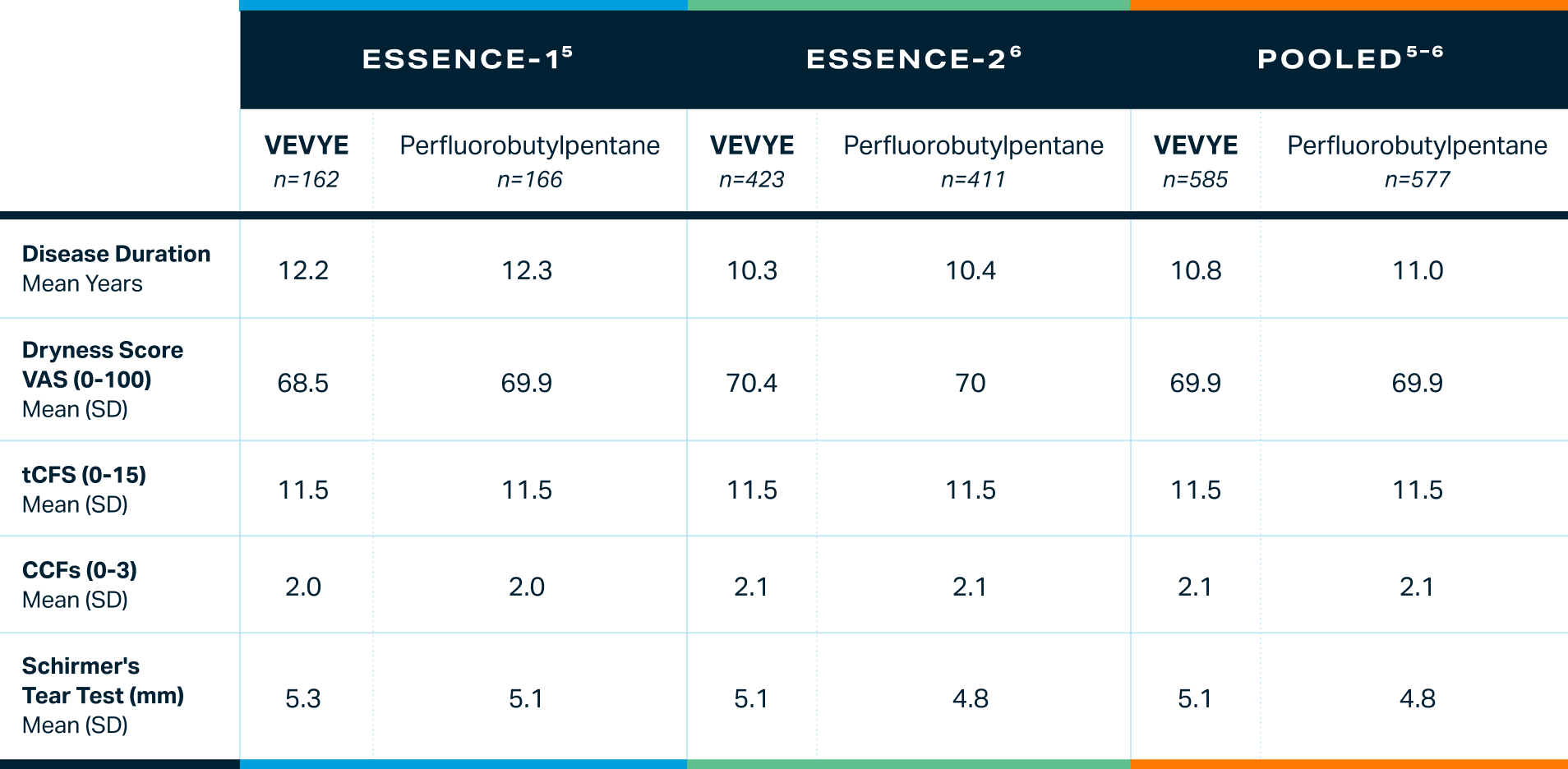
ESSENCE-15

12-week study
  • Multi-center, randomized, double-masked, vehicle-controlled study (N=328)
  • Evaluated efficacy, safety and tolerability
  • Primary endpoints:
    • Change from Baseline (CFB) in tCFS at Day 29
    • CFB in total OSDI at Day 29

ESSENCE-26

4-week study
  • Multi-center, randomized, double-masked, vehicle-controlled study (N=834)
  • Evaluated efficacy, safety and tolerability
  • Primary endpoints:
    • CFB in tCFS at Day 29
    • CFB in dryness score at Day 29
Phase 3 Studies Inclusion Criteria

Inclusion Criteria5-6

  • tCFS ≥10 (NEI)
  • Total lissamine green conjunctival score ≥2 (Oxford)
  • Schirmer's tear test score between ≥1 and ≤10 mm'
  • OSDI score ≥20
  • Dryness Score ≥50 (VAS)

Exclusion Criteria5-6

  • Contact lens wear
  • Lipiflow procedures performed within 180 days
  • Abnormal lid abnormality
  • Use of topical steroids, systemic steroids, prescription medications for DED, or recently received/removed punctal plugs
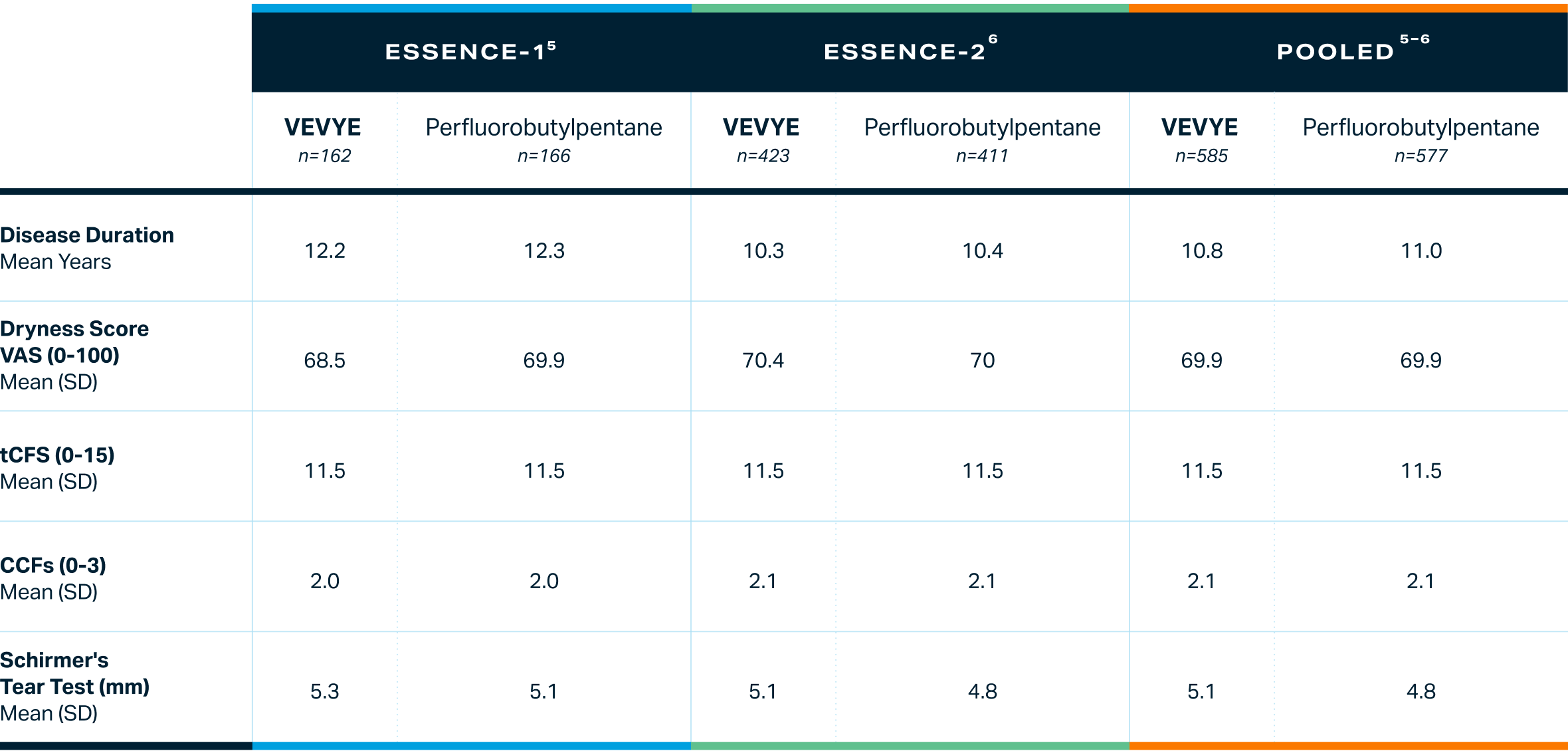
Phase 3 studies inclusion criteriaPhase 3 studies inclusion criteria

VEVYE® is shown to be

Comfortable and Well‑tolerated1,5‑7

See Safety Data

See theImprovement

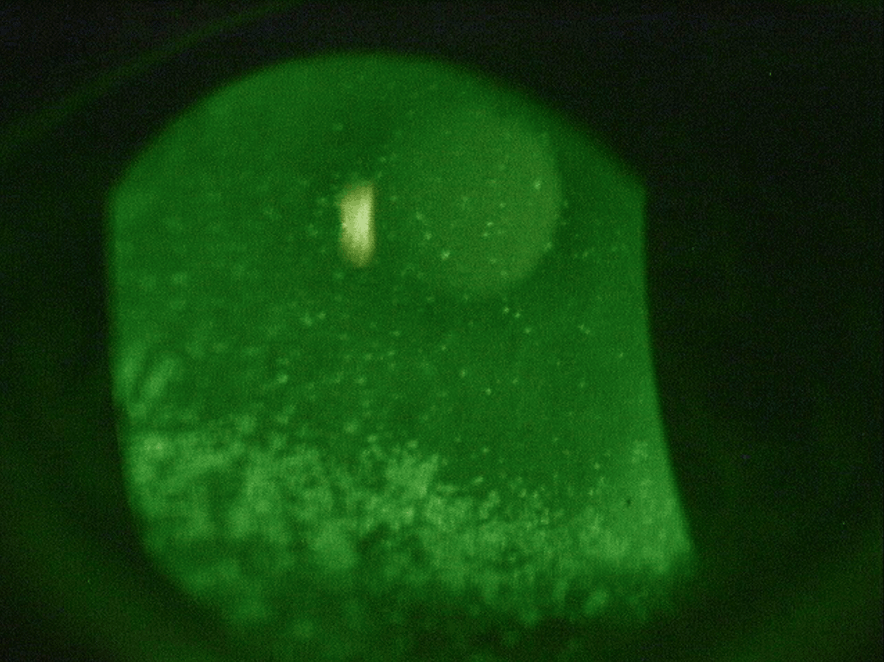
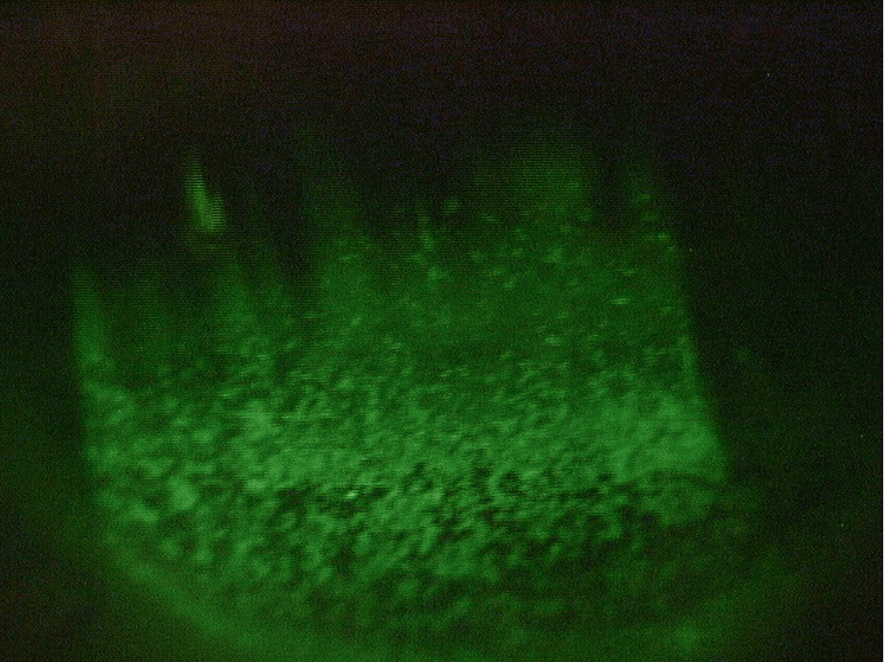
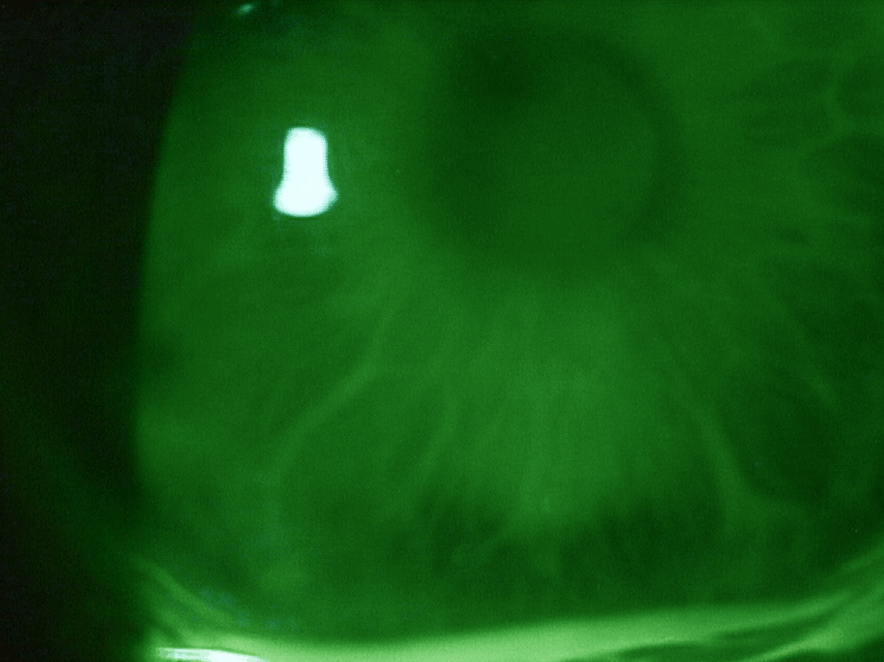
"Alice"

Female  |  Age: 56

  • COAG; Currently on Bimatoprost 0.01%, Timolol 0.5%, Dorzolamide 0.2%
  • Persistent SPK
  • Fluctuating visual acuity, burning, watering
  • VA 20/30-2 OD and 20/25-2 OS BCVA

Provided by Ben Gaddie, OD; Louisville, KY

Before VEVYE Treatment

OS before VEVYE

After one Month of VEVYE

OS after VEVYE

Outcomes

  • BCVA: 20/20 OU
  • Quality of vision improved
  • Successfully resumed CL wear
  • Continue VEVYE
Patient 1

"Alice"

Female  |  Age: 56

OS before VEVYE

Before Vevye

OS after VEVYE

1 Month of Vevye

Provided by Ben Gaddie, OD; Louisville, KY

  • COAG; Currently on Bimatoprost 0.01%, Timolol 0.5%, Dorzolamide 0.2%
  • Persistent SPK
  • Fluctuating visual acuity, burning, watering
  • VA 20/30-2 OD and 20/25-2 OS BCVA

Outcomes

  • BCVA: 20/20 OU
  • Quality of vision improved
  • Successfully resumed CL wear
  • Continue VEVYE

The case study above shows a real-world patient. The name and image have been changed to protect privacy.

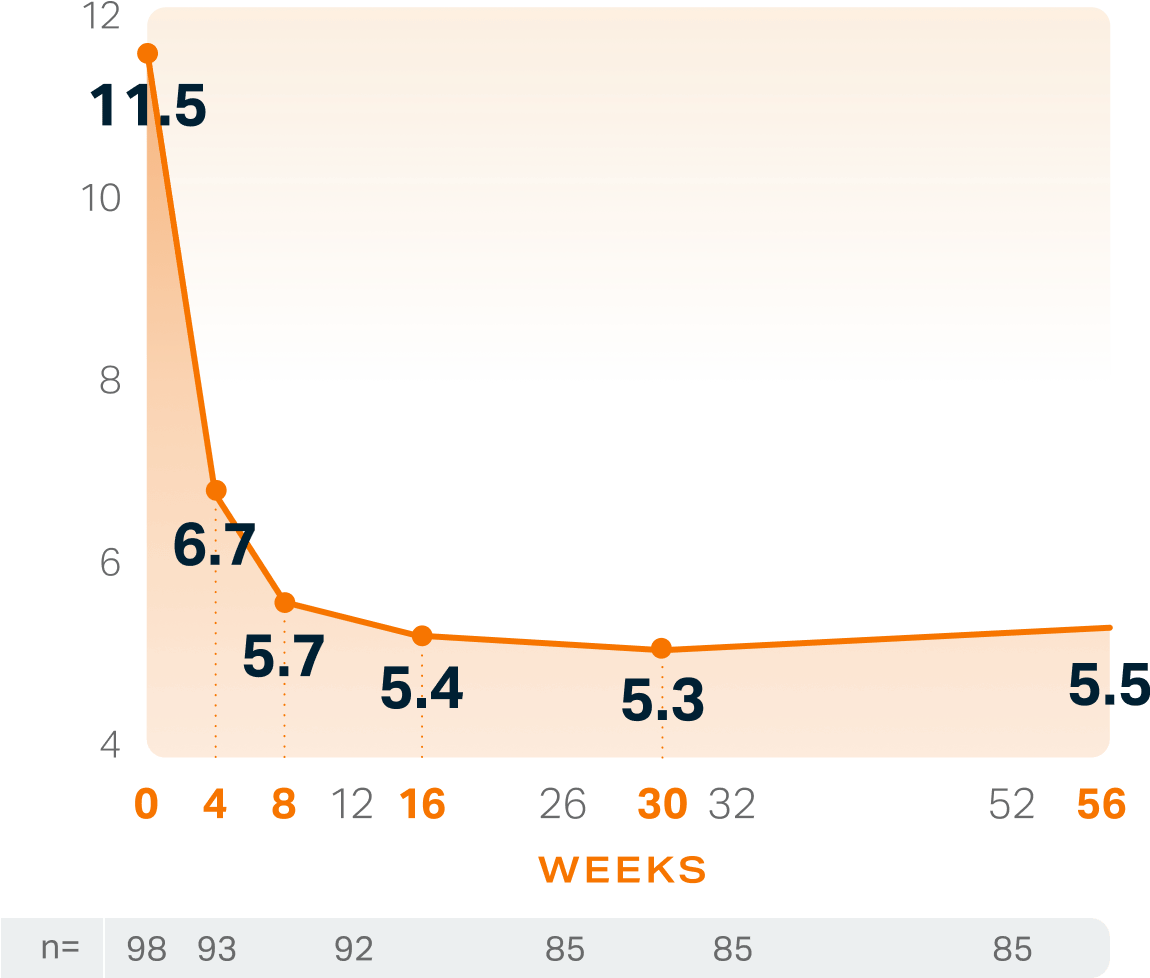
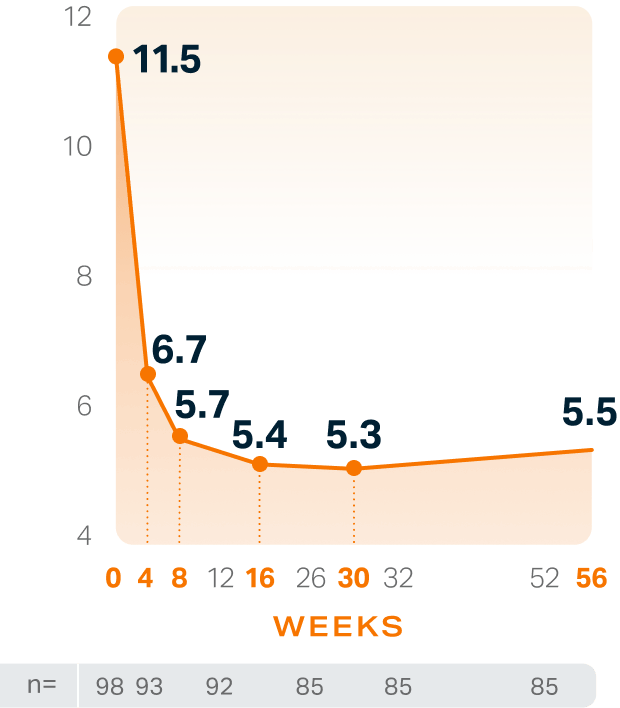
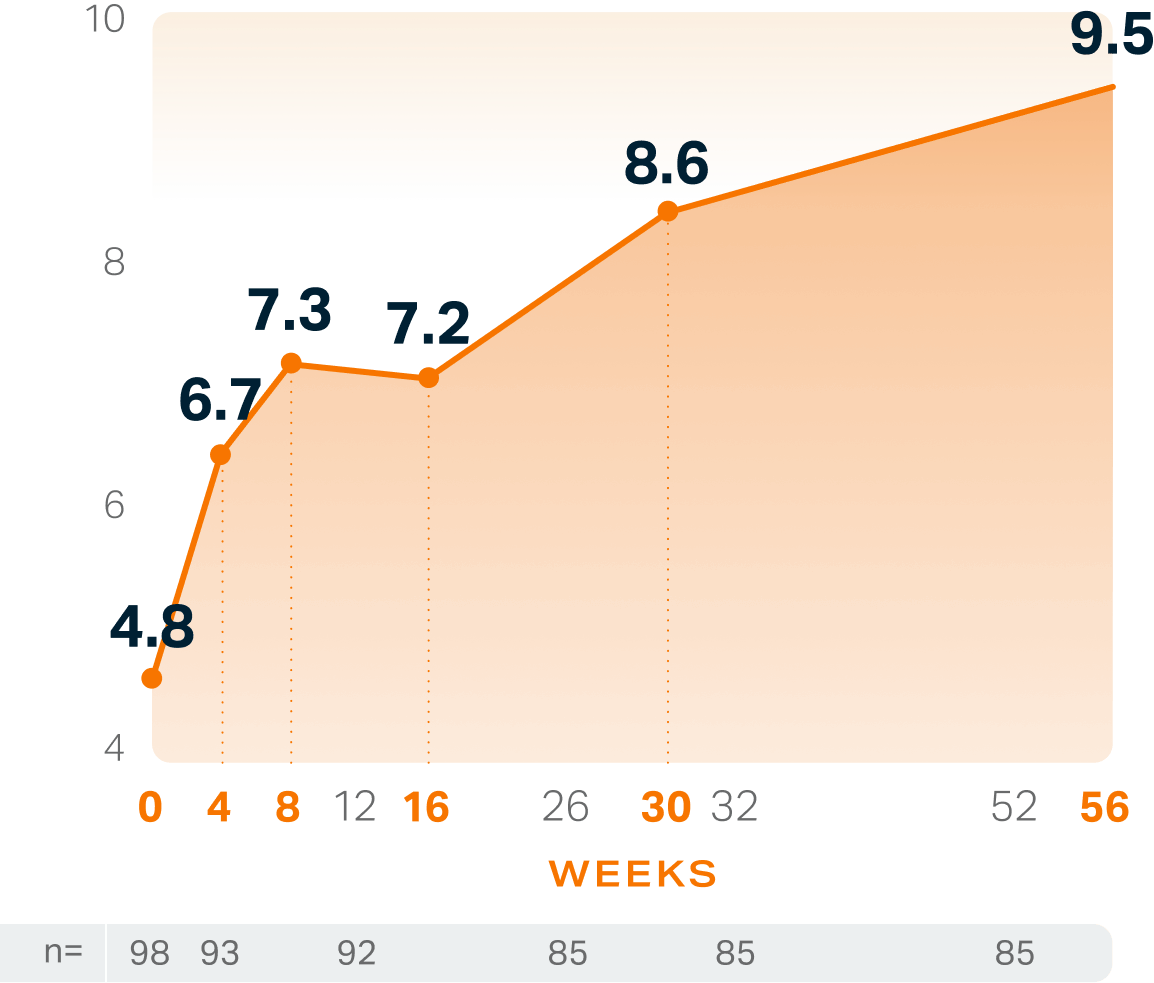
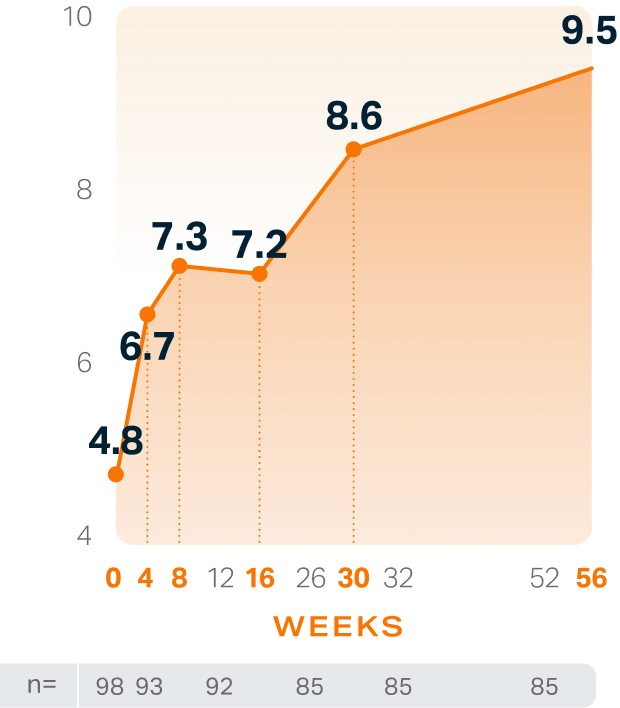
Sustained Efficacy7

VEVYE demonstrated sustained improvement over 12 months in both the signs and symptoms of dry eye disease.  

Total Corneal Fluorescein Staining (tCFS)

Mean Scores (Grade, NEI* Scale)

Mean Scores (Grade, NEI* Scale)

Mean tCFS scores over 12 monthsMean tCFS scores over 12 months

Tear Production

Mean Schirmer’s
Tear Scores (mm)

Mean Schirmer’s
Tear Scores (mm)

Mean Schirmer's tear scores over 12 monthsMean Schirmer's tear scores over 12 months

*National Eye Institute. 0-15 Scale

Study Design

OLE7

52-week study
  • Multi-center, open-label, single-arm clinical trial. This was a 52-week extension study from a sub-set of subjects in ESSENCE-2. (n=202)
  • Evaluated long-term safety and tolerability. Efficacy was evaluated as a secondary objective.
  • Safety endpoints:
    • Ocular and non-ocular adverse events
    • Visual acuity and change from baseline (CFB)
  • Efficacy endpoints:
    • tCFS score
    • VAS scores for dryness
    • Schirmer’s tear test
    • CFB at each measured visit

Pushing Efficacy Beyond Conventional Standards10

In a Phase 2 Study
to evaluate efficacy, safety and tolerability

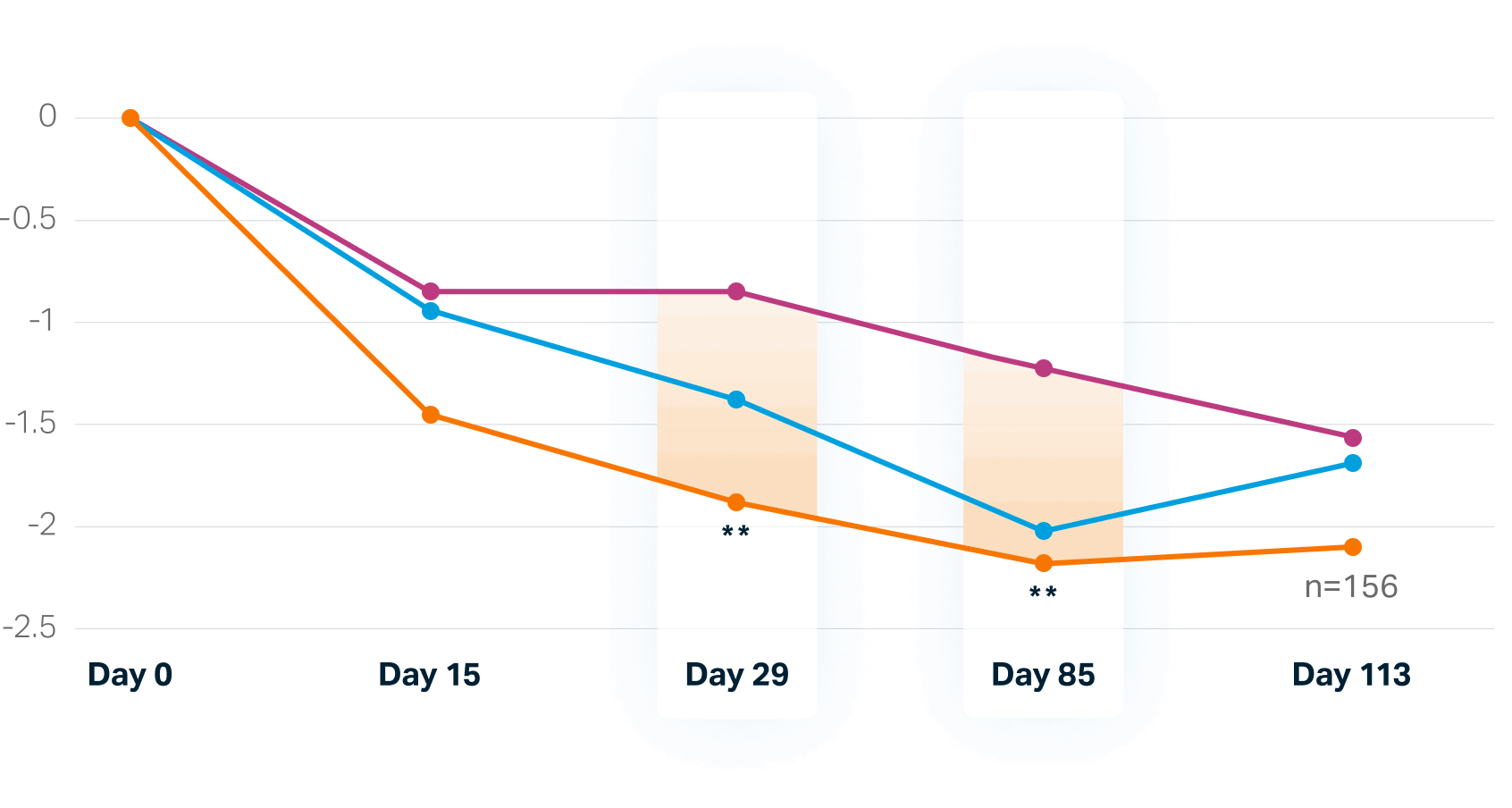
VEVYE showed a statistically significant difference when compared to Restasis® (cyclosporine ophthalmic emulsion) 0.05% at Day 29 and Day 85.

Restasis (CsA 0.05%)

Perfluorobutylpentane

VEVYE

Phase 2 Head-to-Head Study Measuring Change from Baseline in tCFS

NEI* Scale (0-15)

Phase 2 head-to-head change from baseline in tCFS

This was a dose ranging study. Restasis® was evaluated head-to-head as an open label comparator.

In a Phase 2 Study
to evaluate efficacy, safety and tolerability

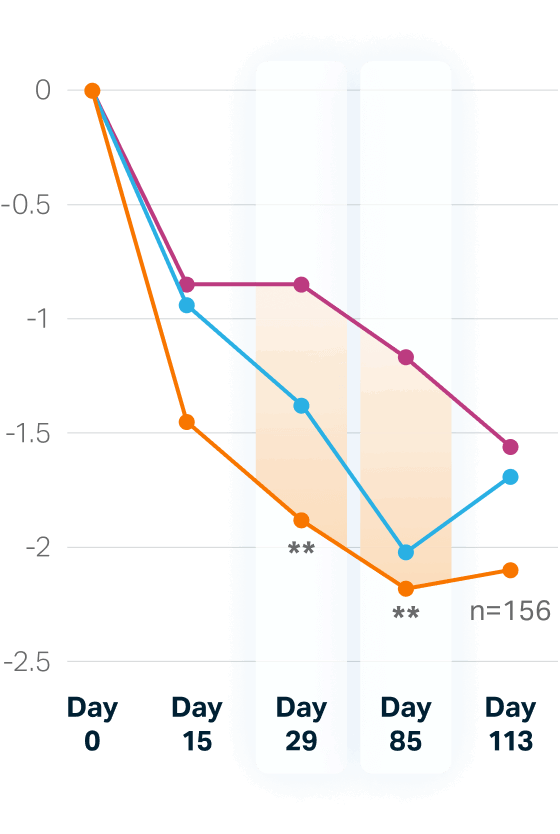
VEVYE showed a statistically significant difference when compared to Restasis® (cyclosporine ophthalmic emulsion) 0.05% at Day 29 and Day 85.

Phase 2 Head-to-Head Study Measuring Change from Baseline in tCFS

NEI* Scale (0-15)

Phase 2 head-to-head change from baseline in tCFSPhase 2 head-to-head change from baseline in tCFS

Swipe to view More

Restasis (CsA 0.05%)

Perfluorobutylpentane

VEVYE

This was a dose ranging study. Restasis® was evaluated head-to-head as an open label comparator.

*National Eye Institute. **=p<0.05 vs Restasis®

Continue to Symptoms Data

A runner

time to try vevye

Connect with a representative to learn more.

Connect with a representative to learn more.

A runner

INDICATION AND USAGE

VEVYE® (cyclosporine ophthalmic solution) 0.1% is indicated for the treatment of the signs and symptoms of dry eye disease.

IMPORTANT SAFETY INFORMATION

Warnings and Precautions

  • Potential for Eye Injury and Contamination – To avoid the potential for eye injury and/or contamination, patients should not touch the bottle tip to the eye or other surfaces.
  • Use with Contact Lenses – VEVYE should not be administered while wearing contact lenses. If contact lenses are worn, they should be removed prior to administration of the solution. Lenses may be reinserted 15 minutes following the administration of VEVYE.

Adverse Reactions

In clinical trials with 738 subjects receiving at least 1 dose of VEVYE, the most common adverse reactions were instillation site reactions (8%) and temporary decreases in visual acuity (3%).

You are encouraged to report negative side effects of prescription drugs to the FDA. Visit www.fda.gov/medwatch, or call 1-800-FDA-1088.
For additional information about VEVYE, please see the Full Prescribing Information.

INDICATION AND USAGE

VEVYE® (cyclosporine ophthalmic solution) 0.1% is indicated for the treatment of the signs and symptoms of dry eye disease.

IMPORTANT SAFETY INFORMATION

Warnings and Precautions

  • Potential for Eye Injury and Contamination – To avoid the potential for eye injury and/or contamination, patients should not touch the bottle tip to the eye or other surfaces.
  • Use with Contact Lenses – VEVYE should not be administered while wearing contact lenses. If contact lenses are worn, they should be removed prior to administration of the solution. Lenses may be reinserted 15 minutes following the administration of VEVYE.

Adverse Reactions

In clinical trials with 738 subjects receiving at least 1 dose of VEVYE, the most common adverse reactions were instillation site reactions (8%) and temporary decreases in visual acuity (3%).

You are encouraged to report negative side effects of prescription drugs to the FDA. Visit www.fda.gov/medwatch, or call 1-800-FDA-1088.

For additional information about VEVYE, please see the Full Prescribing Information.

IMPORTANT SAFETY INFORMATION

Warnings and Precautions

  • Potential for Eye Injury and Contamination – Patients should not touch the bottle tip to the eye or other surfaces.
  • Use with Contact Lenses – VEVYE should not be administered while wearing contact lenses. If worn, lenses should be removed prior to administration and may be reinserted 15 minutes following the administration of VEVYE.

IMPORTANT SAFETY INFORMATION

Warnings and Precautions

  • Potential for Eye Injury and Contamination – Patients should not touch the bottle tip to the eye or other surfaces.