











Skip to content

For US Healthcare Professionals Only

Works FastTo deliver results

VEVYE® shows clinically meaningful and statistically significant improvement in total corneal fluorescein staining (tCFS) by Day 15 in clinical studies.5-6

Works FastTo deliver results

VEVYE® shows clinically meaningful and statistically significant improvement in total corneal fluorescein staining (tCFS) by Day 15 in clinical studies.5-6

Continued Relief inDry Eye Disease Symptoms7

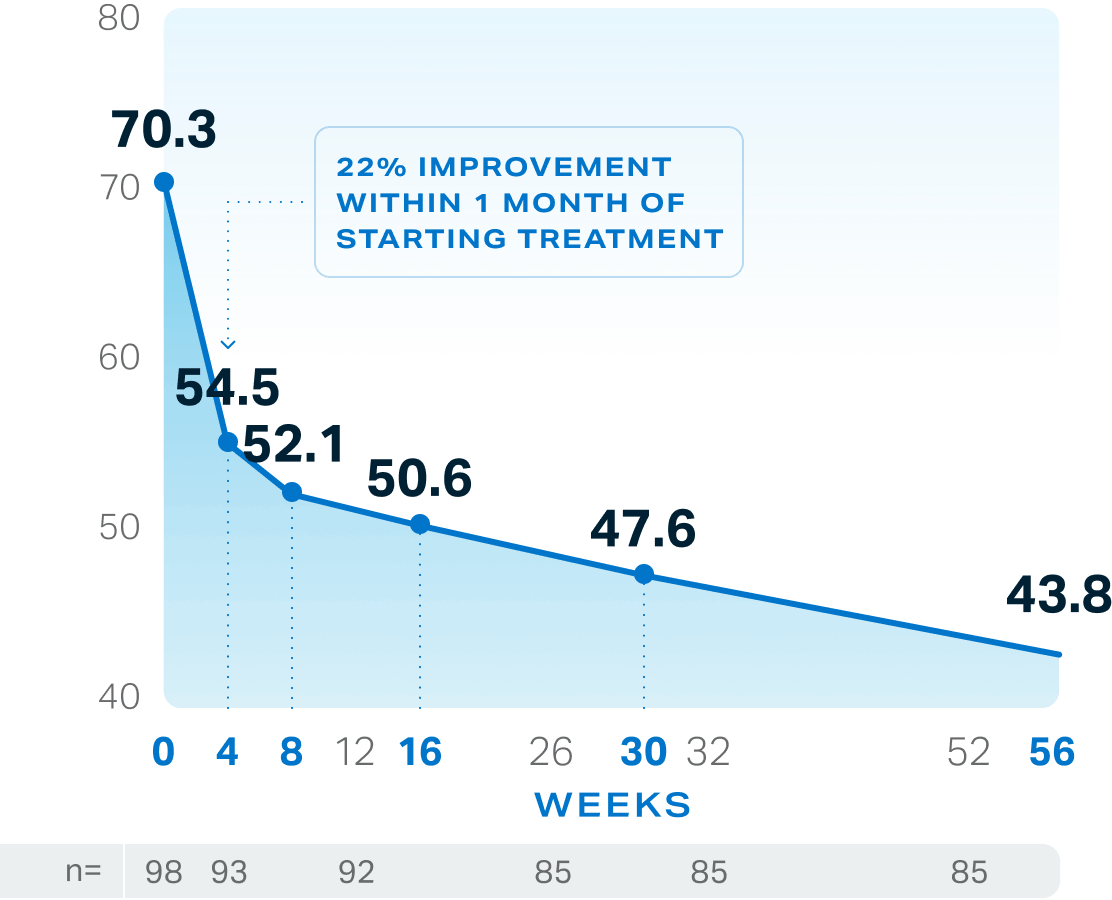
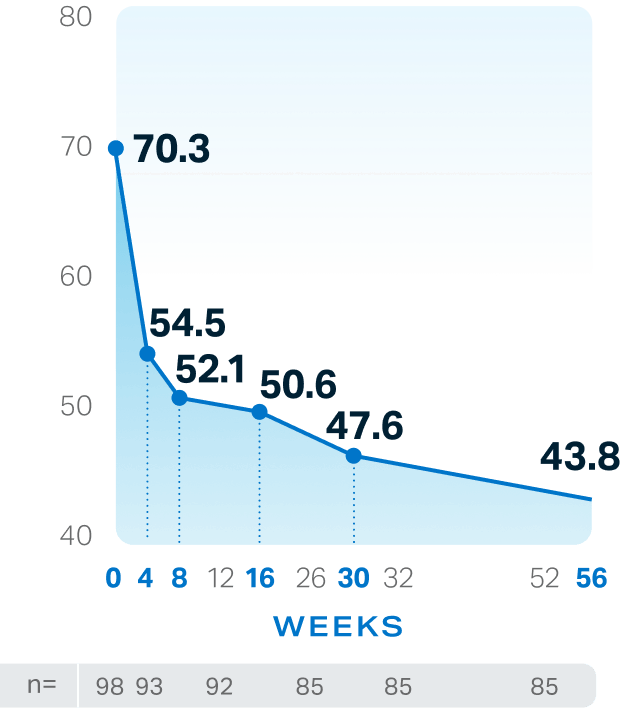
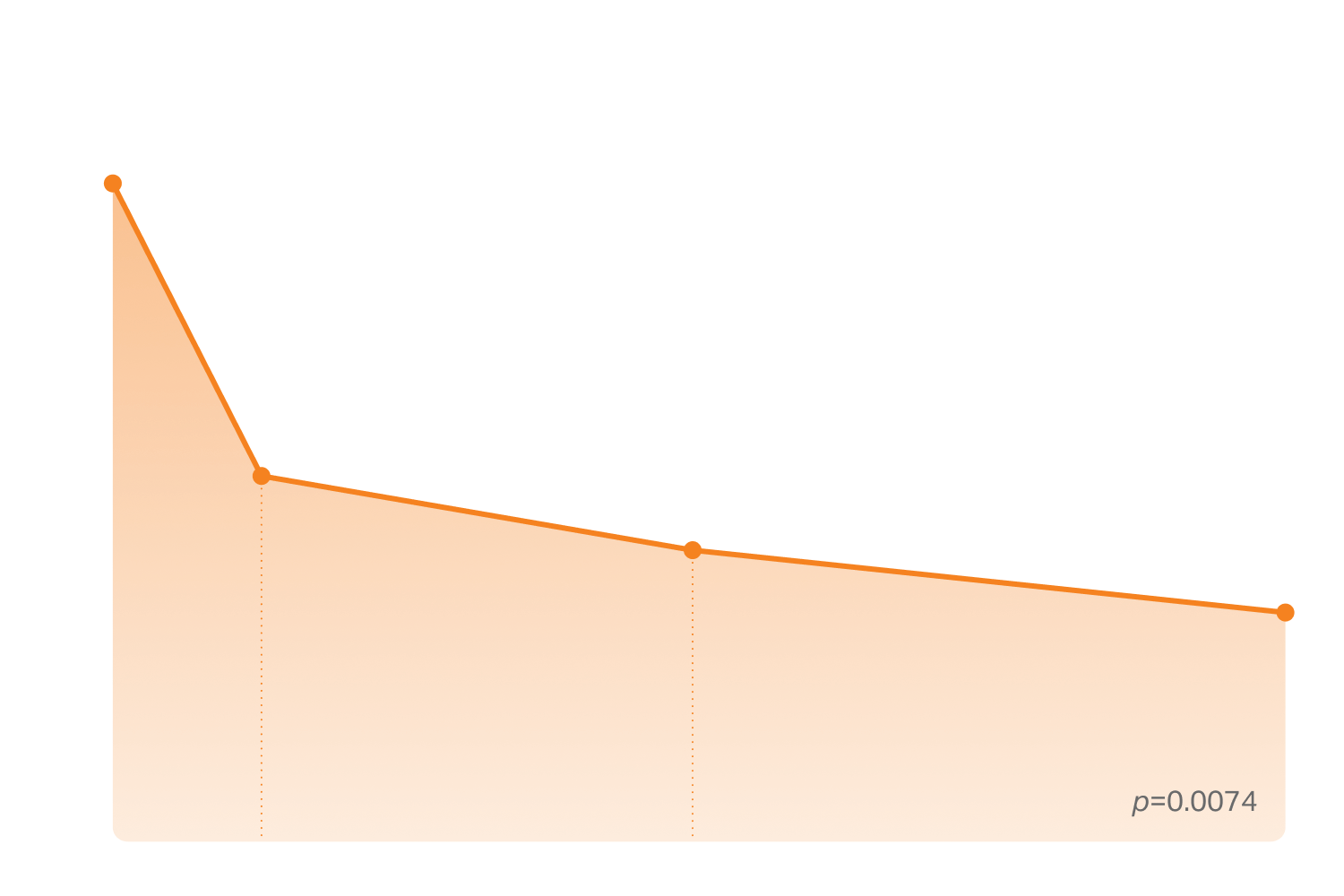
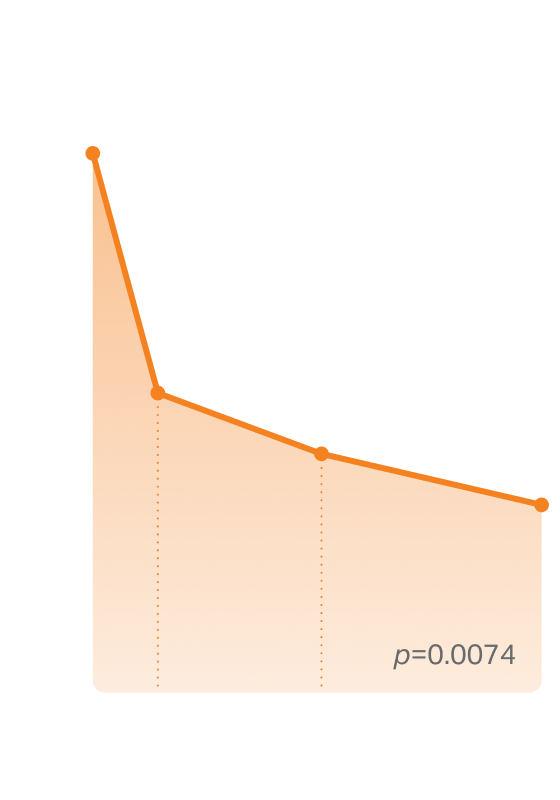
In the open label extension study, VEVYE® (cyclosporine ophthalmic solution) 0.1% demonstrated continuous symptom improvements as measured by the Visual Analog Scale (VAS) for Dryness.

All symptoms measured in the ESSENCE-2 OLE Study showed improvement from baseline.7

Inclusion Criteria
  • Patients included in the study (n=202), had moderate to severe dry eye disease.
  • Subjects had completed ESSENCE-2, and started that study with:
    • Mean tCFS score of 11.5
    • Mean dryness score (VAS) of 70.3
    • Mean unanesthetized Schirmer’s tear test value
      of 4.8mm at baseline.7

22% Improvement

in dryness within 1 month of starting treatment

Discomfort (Dryness)

VAS Scores

Discomfort (dryness) VAS scores over 12 monthsDiscomfort (dryness) VAS scores over 12 months
Inclusion Criteria
  • Patients included in the study (n=202), had moderate to severe dry eye disease.
  • Subjects had completed ESSENCE-2, and started that study with:
    • Mean tCFS score of 11.5
    • Mean dryness score (VAS) of 70.3
    • Mean unanesthetized Schirmer’s tear test value
      of 4.8mm at baseline.7

In a phase 3 clinical study, subjects that
saw 3 or more grades of improvement in tcfs saw

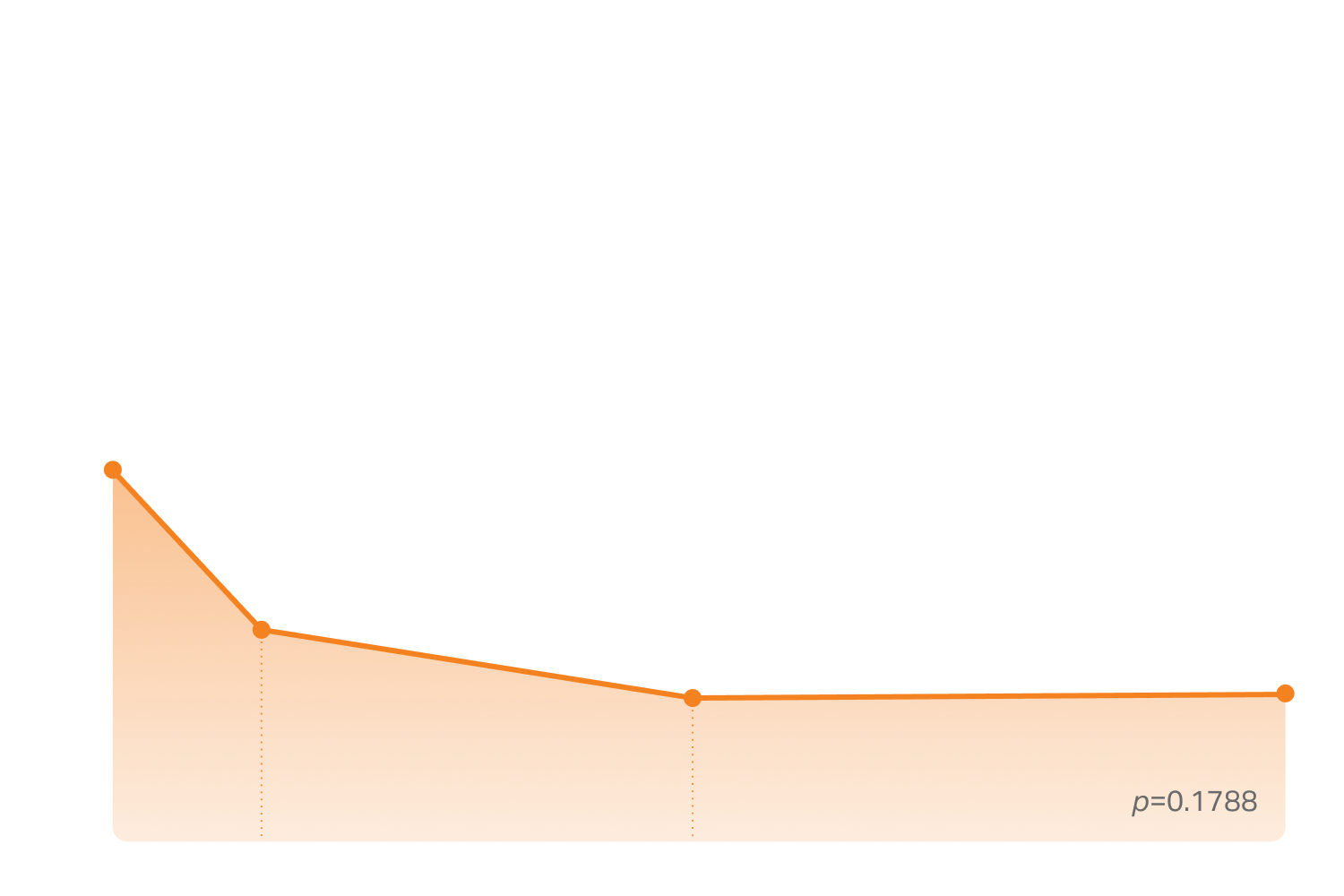
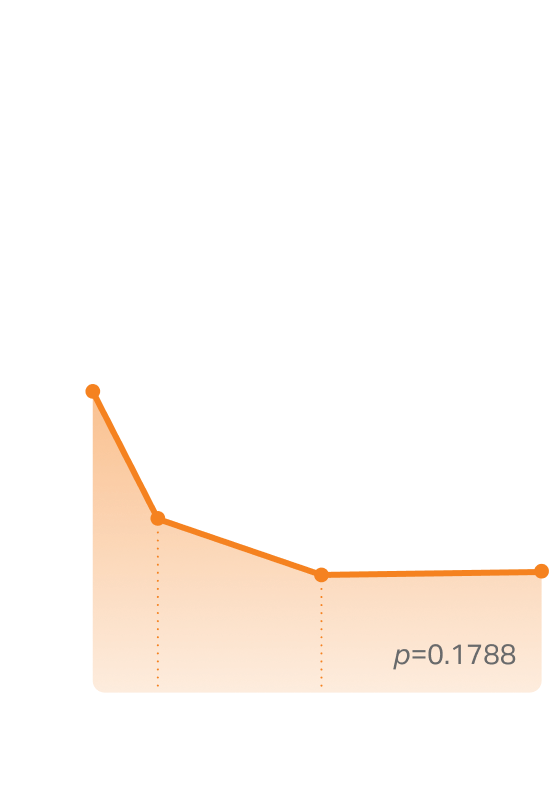
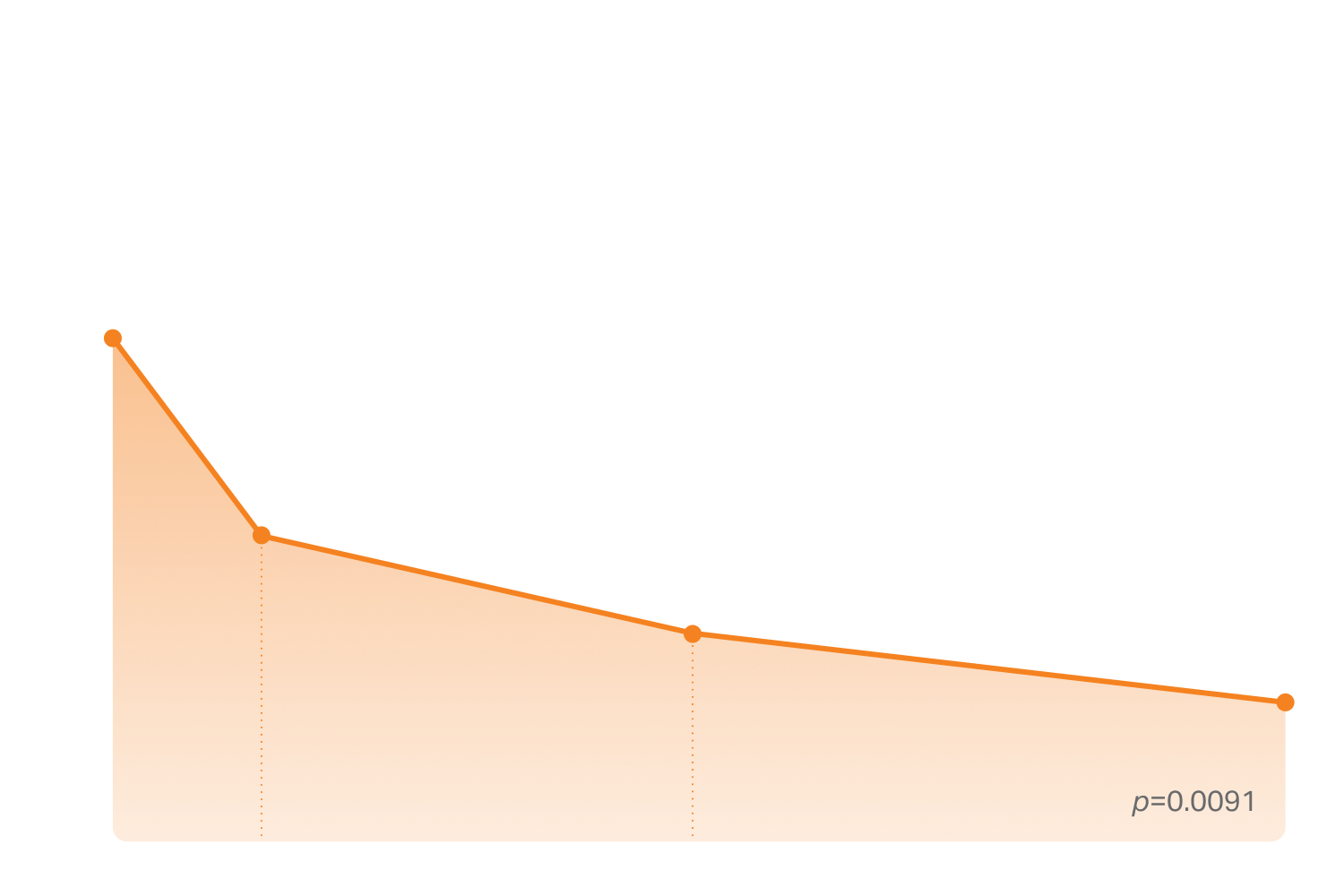
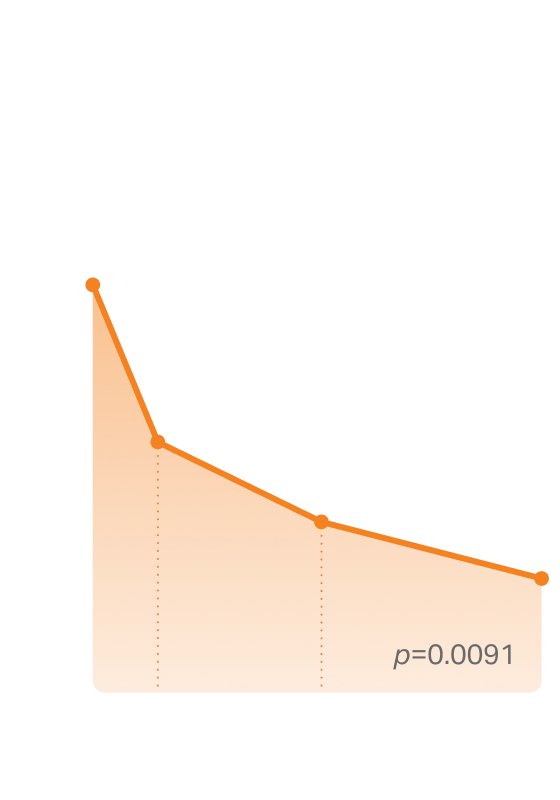
Statistically significant improvement in 6 out of 8 measured symptoms by Day 29.7

Patient Symptom Improvements6-7

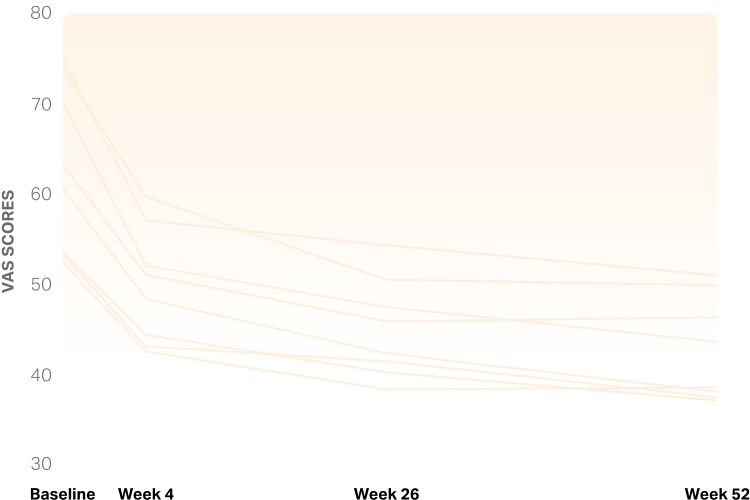
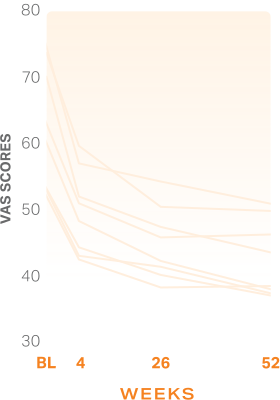
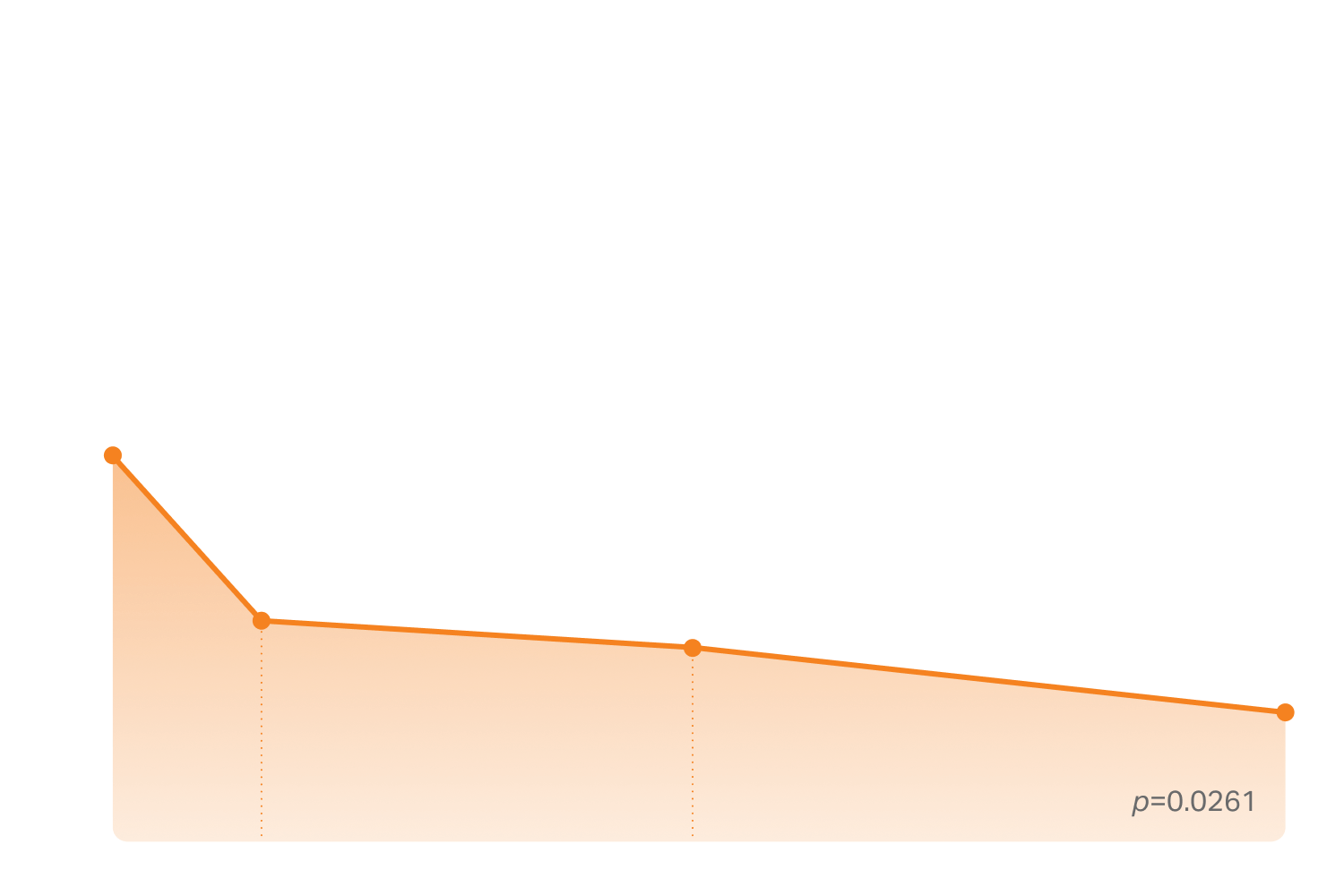
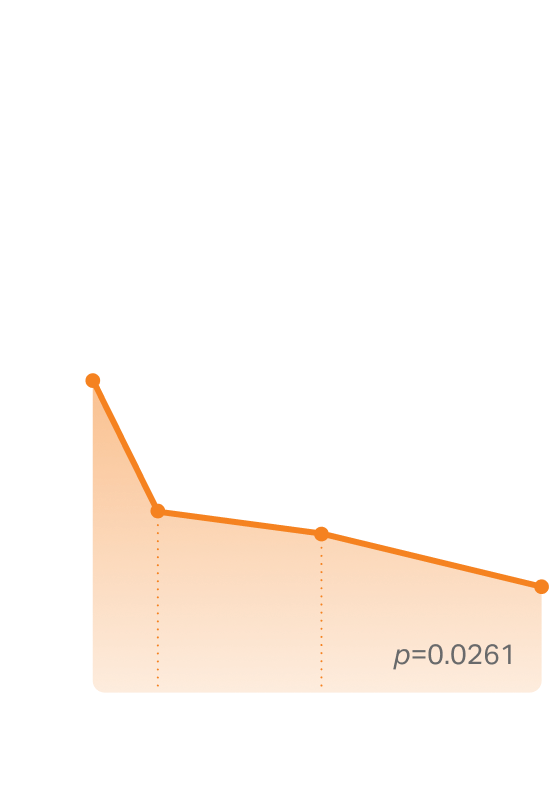
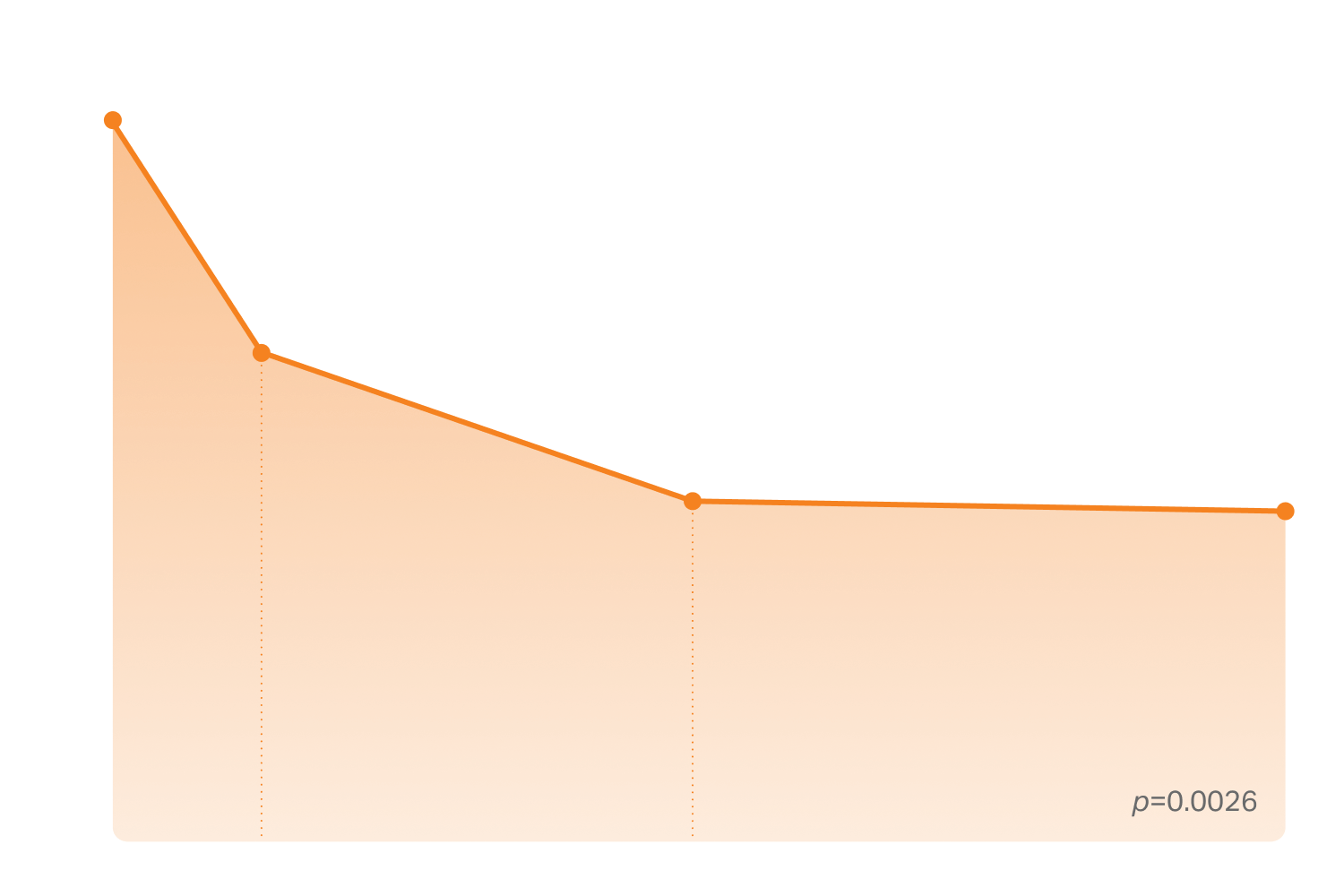
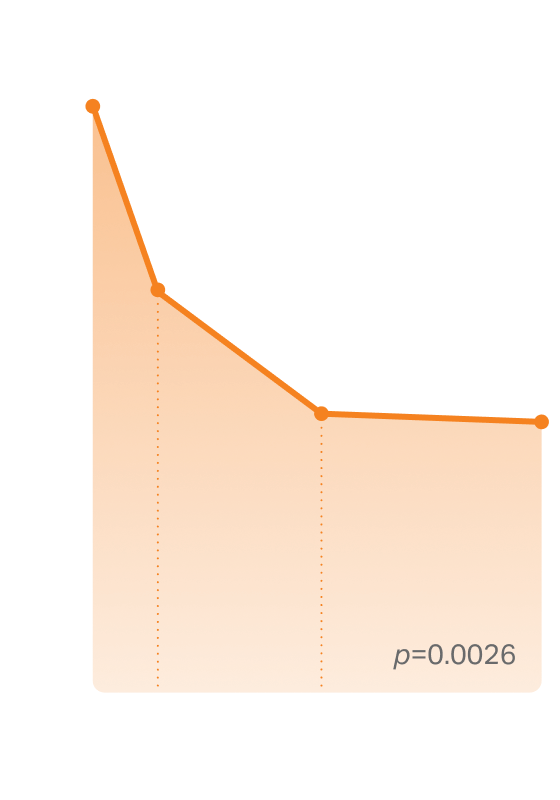
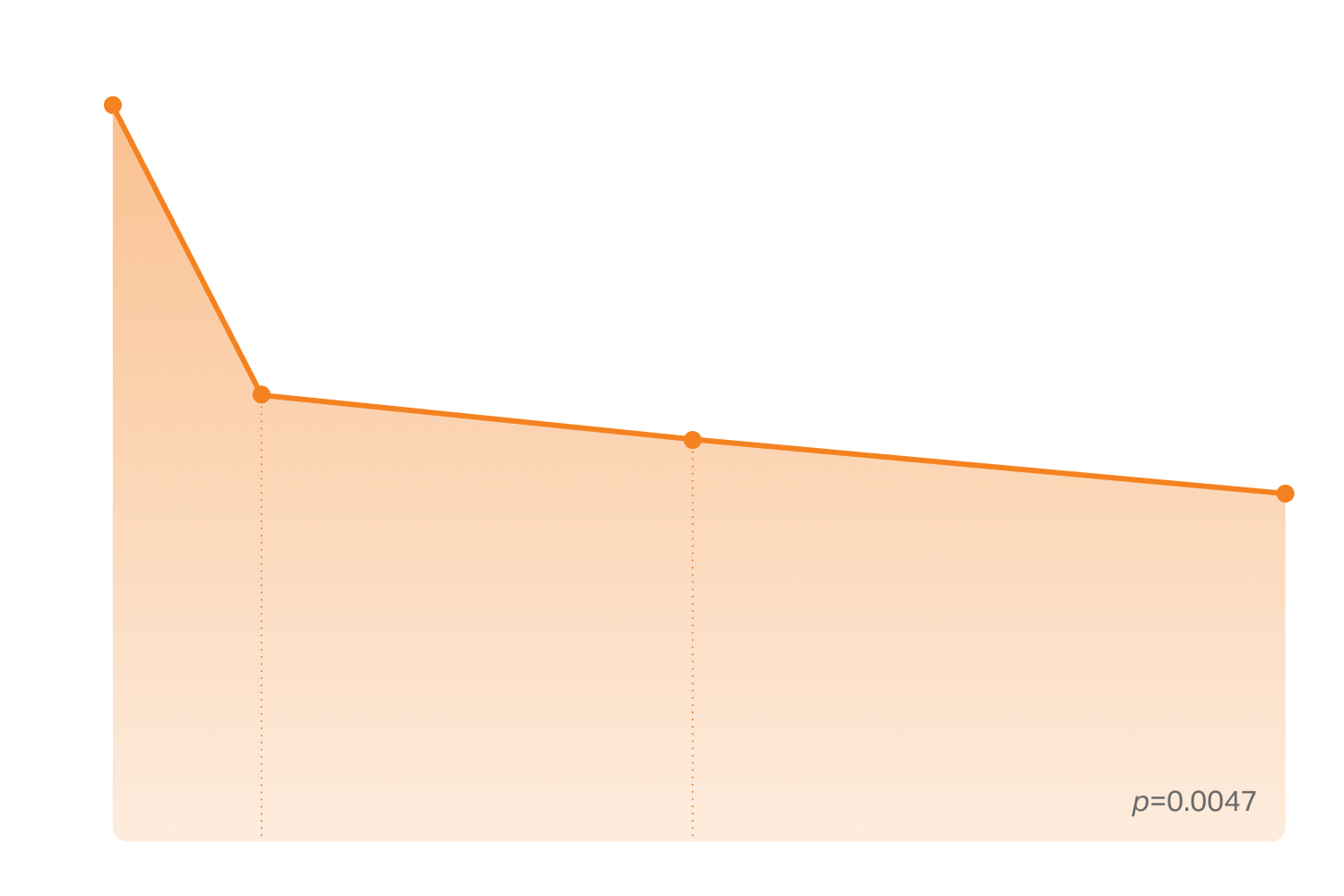
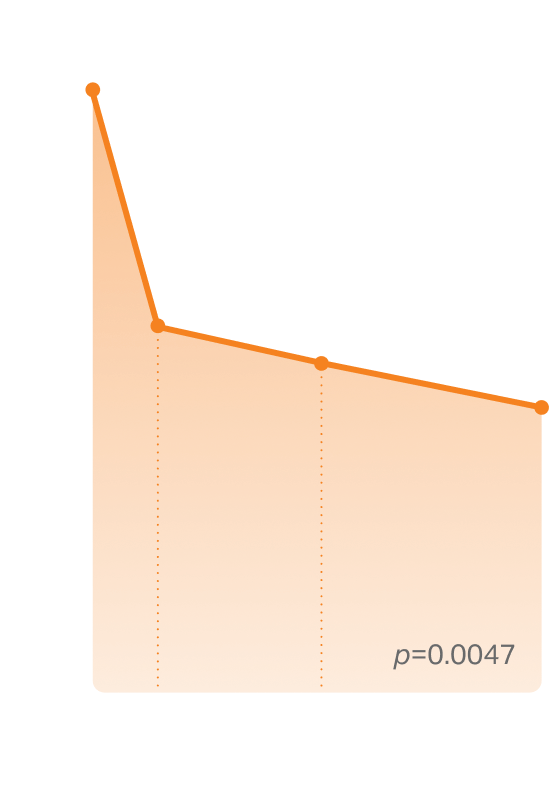
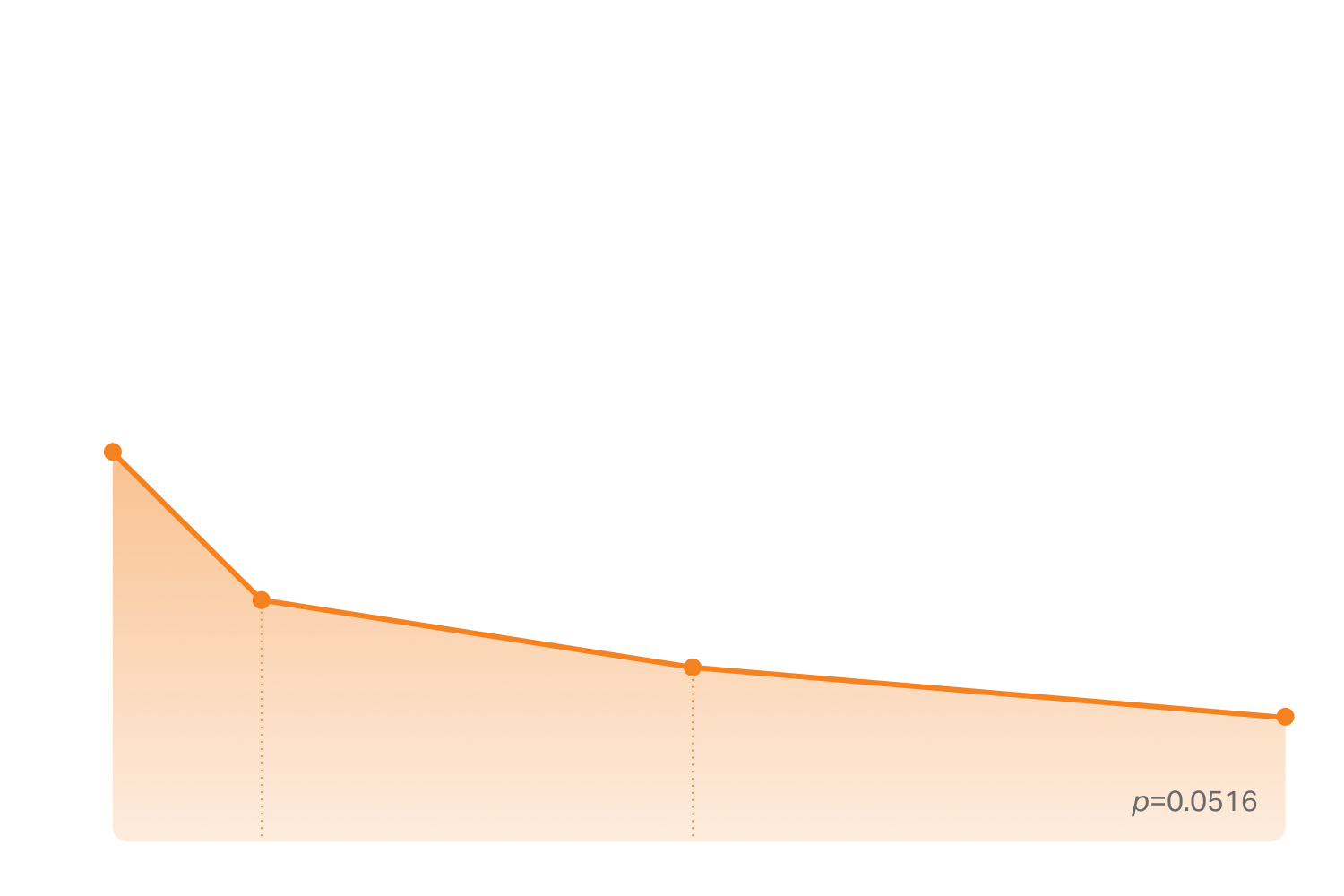
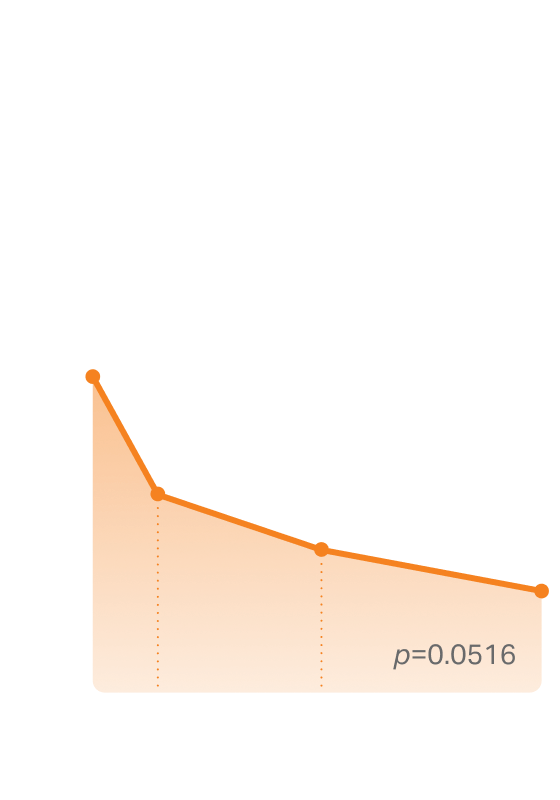
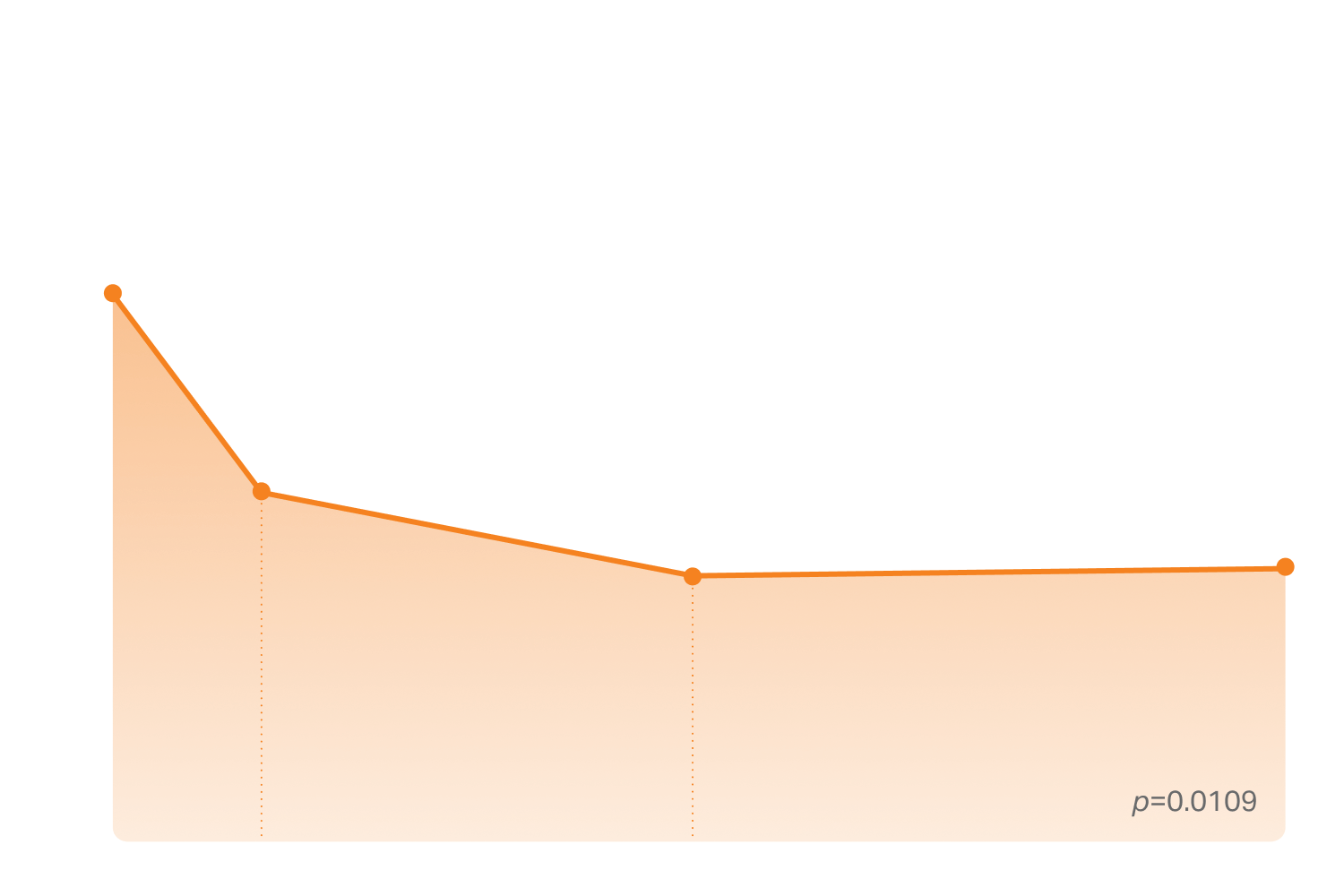
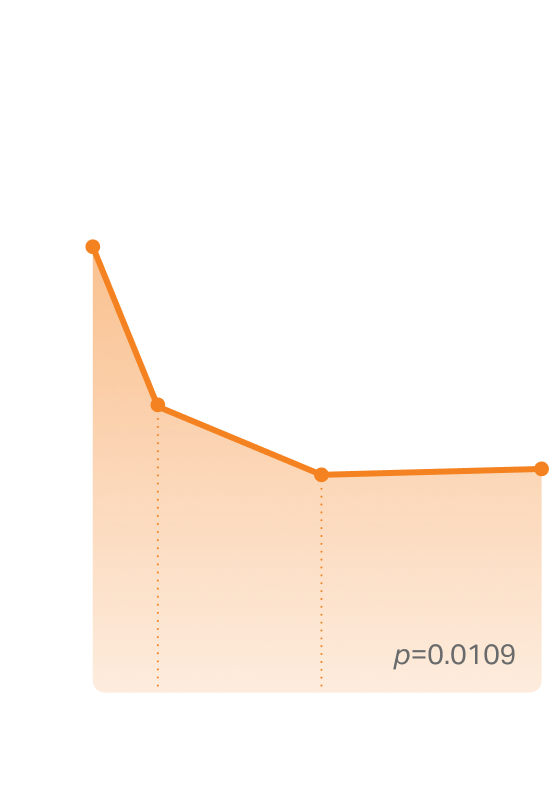
In a phase 3, single-arm, open label extension study, responders experienced improvement in VAS symptoms compared to baseline over a 52-week period.

All Measured Symptoms showed

Improvement

throughout the 52‑week study

Dryness — change from baselineDryness — change from baseline
Blurred Vision — change from baselineBlurred Vision — change from baseline
Frequency of Dryness — change from baselineFrequency of Dryness — change from baseline
awareness of dry eye — change from baselineawareness of dry eye — change from baseline
Reading — change from baselineReading — change from baseline
Driving at Night — change from baselineDriving at Night — change from baseline
Fluctuating Vision — change from baselineFluctuating Vision — change from baseline
Looking at Screens — change from baselineLooking at Screens — change from baseline

All Measured Symptoms showed

Improvement

throughout the 52‑week study

A Phase 3, single-arm, open label extension study.

View The Supporting Data

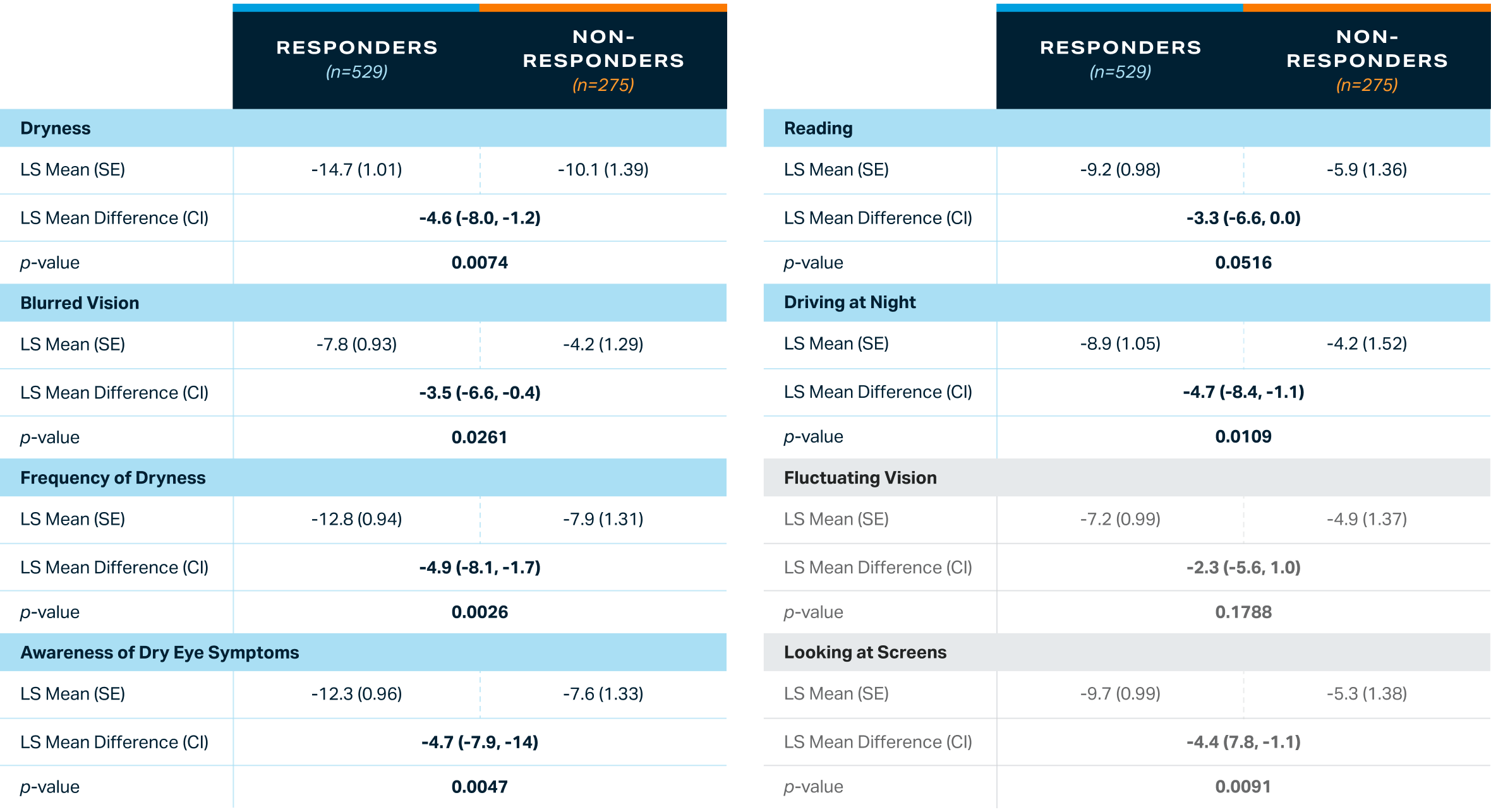
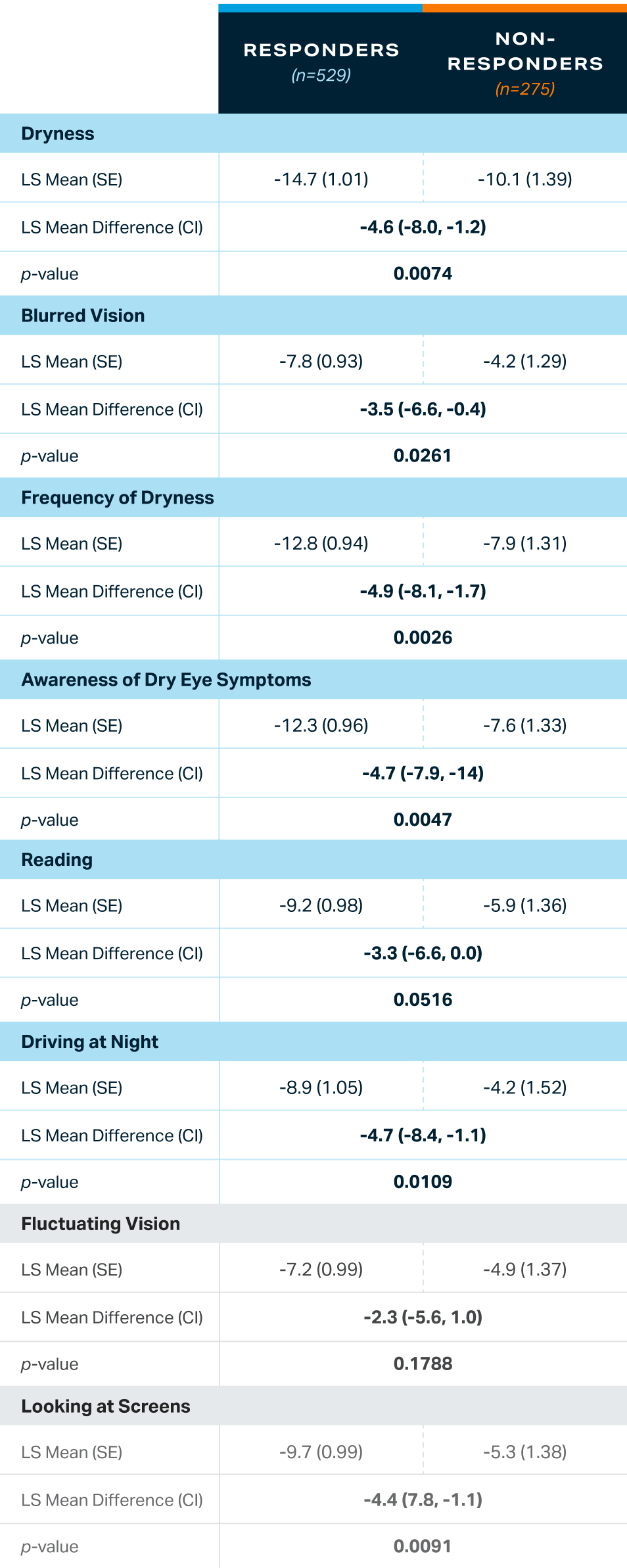
Change from Baseline in Visual Analog Scale Symptoms at Day 29:

tCFS Responders (≥ 3 Unit Improvement from Baseline) and Non-Responders - FAS9

Change from baseline in VAS symptoms at Day 29, responders and non-respondersChange from baseline in VAS symptoms at Day 29, responders and non-responders

Back to Signs Data

A runner

time to try vevye

Connect with a representative to learn more.

Connect with a representative to learn more.

A runner

INDICATION AND USAGE

VEVYE® (cyclosporine ophthalmic solution) 0.1% is indicated for the treatment of the signs and symptoms of dry eye disease.

IMPORTANT SAFETY INFORMATION

Warnings and Precautions

  • Potential for Eye Injury and Contamination – To avoid the potential for eye injury and/or contamination, patients should not touch the bottle tip to the eye or other surfaces.
  • Use with Contact Lenses – VEVYE should not be administered while wearing contact lenses. If contact lenses are worn, they should be removed prior to administration of the solution. Lenses may be reinserted 15 minutes following the administration of VEVYE.

Adverse Reactions

In clinical trials with 738 subjects receiving at least 1 dose of VEVYE, the most common adverse reactions were instillation site reactions (8%) and temporary decreases in visual acuity (3%).

You are encouraged to report negative side effects of prescription drugs to the FDA. Visit www.fda.gov/medwatch, or call 1-800-FDA-1088.
For additional information about VEVYE, please see the Full Prescribing Information.

INDICATION AND USAGE

VEVYE® (cyclosporine ophthalmic solution) 0.1% is indicated for the treatment of the signs and symptoms of dry eye disease.

IMPORTANT SAFETY INFORMATION

Warnings and Precautions

  • Potential for Eye Injury and Contamination – To avoid the potential for eye injury and/or contamination, patients should not touch the bottle tip to the eye or other surfaces.
  • Use with Contact Lenses – VEVYE should not be administered while wearing contact lenses. If contact lenses are worn, they should be removed prior to administration of the solution. Lenses may be reinserted 15 minutes following the administration of VEVYE.

Adverse Reactions

In clinical trials with 738 subjects receiving at least 1 dose of VEVYE, the most common adverse reactions were instillation site reactions (8%) and temporary decreases in visual acuity (3%).

You are encouraged to report negative side effects of prescription drugs to the FDA. Visit www.fda.gov/medwatch, or call 1-800-FDA-1088.

For additional information about VEVYE, please see the Full Prescribing Information.

IMPORTANT SAFETY INFORMATION

Warnings and Precautions

  • Potential for Eye Injury and Contamination – Patients should not touch the bottle tip to the eye or other surfaces.
  • Use with Contact Lenses – VEVYE should not be administered while wearing contact lenses. If worn, lenses should be removed prior to administration and may be reinserted 15 minutes following the administration of VEVYE.

IMPORTANT SAFETY INFORMATION

Warnings and Precautions

  • Potential for Eye Injury and Contamination – Patients should not touch the bottle tip to the eye or other surfaces.